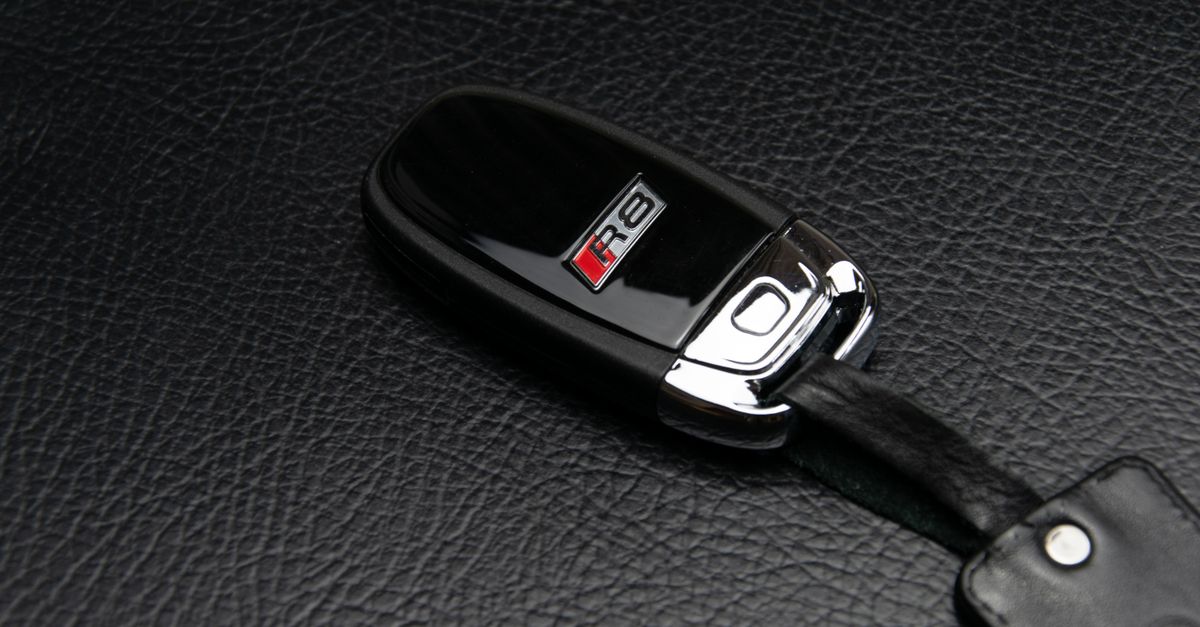
How Audi Car Key Replacement Actually Works — And Why It's More Complex Than a Standard Key
Audi has used layered key-security technology for decades, and the type of key your vehicle requires depends heavily on the model year and trim. Older Audi models may use a basic transponder chip embedded inside a traditional cut key — the chip communicates with the vehicle's immobilizer and must be programmed to the car's ECU before the engine will start. Lose one of these and a simple hardware-store duplicate will not start your car, even if it turns in the ignition. Mid-generation models introduced rolling-code key fobs that handle both remote entry and transponder ignition functions in a single unit. More recent Audi models use proximity-based smart keys — sometimes called Advance Key or Convenience Key — that allow push-button start without removing the key from your pocket, relying on encrypted two-way radio communication that changes codes with every use.
Our technicians carry professional-grade key-cutting and programming equipment that handles all of these generations. We cut the blade to Audi's mechanical specifications and use OEM-compatible programming software to pair the new key to your vehicle's immobilizer and BCM — on-site, typically in the time it would take you to arrange a tow to the dealership. We also note that kiosk-based key duplication services — including those marketed under names like 'Copy Any Key at Our Kiosk Near You,' often located inside home-improvement or hardware retailers — are not equipped to program Audi transponders or smart keys. A kiosk cut inside a Menards or similar store can copy the mechanical blade profile, but without ECU pairing, the key will not start a modern Audi. For full, working Audi key replacement, on-site professional service is the only reliable path.