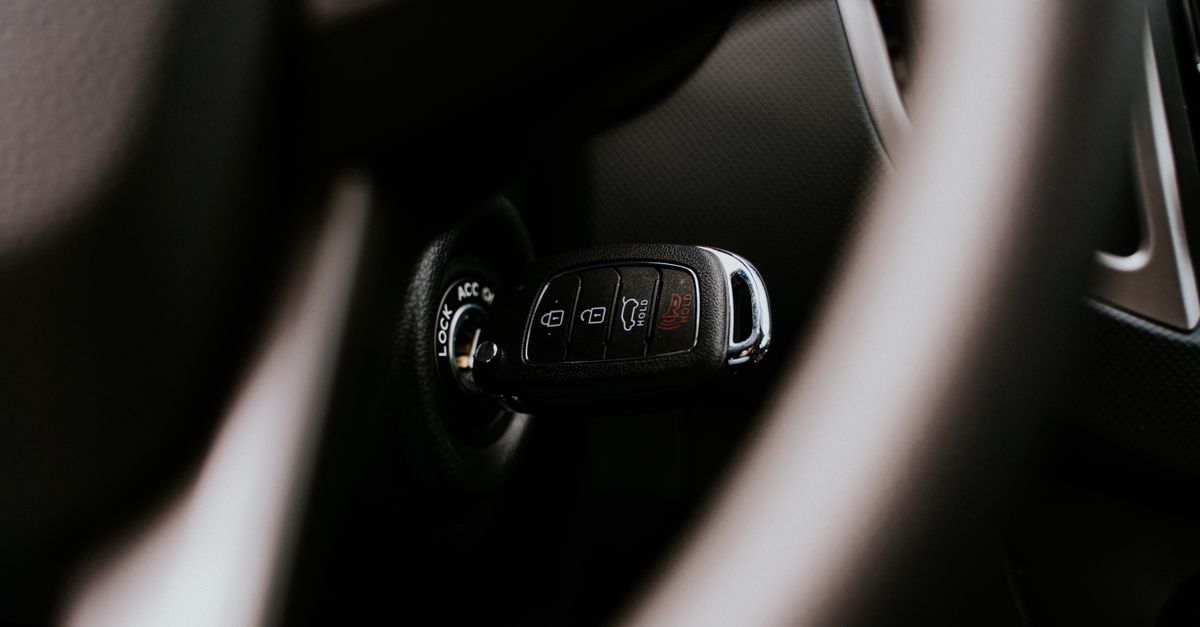
BMW Key Technology: What Makes Replacement More Complex
Modern BMW vehicles don't use a simple cut metal key. Depending on your model and year, your BMW likely relies on one or more of the following technologies working together: a laser-cut (high-security) blade, an embedded transponder chip that communicates a rolling encrypted code to the immobilizer, a remote fob for locking and unlocking, or a fully integrated comfort-access smart key that allows push-button start without ever removing the key from your pocket. Some older BMWs also use a BMW rim lock key — a traditional but precision-cut profile that requires exact duplication. Each layer of technology means that simply cutting a new blade isn't enough; the new key must also be electronically paired to your specific vehicle's ECU.
The programming step is where many generic key duplication options fall short. Kiosk-based services — the kind marketed as 'copy any key at our kiosk near you' or operated under brands like KeyMe, sometimes found inside retail locations such as Menards — are designed for basic house and padlock keys. They cannot program BMW transponders, pair smart keys, or handle the encrypted immobilizer communication that protects your vehicle from theft. For straightforward brass house keys, a kiosk may be convenient; for any BMW key with electronic components, you need a professional who carries OBD-level diagnostic and programming equipment. That's exactly what our technicians bring on every call.